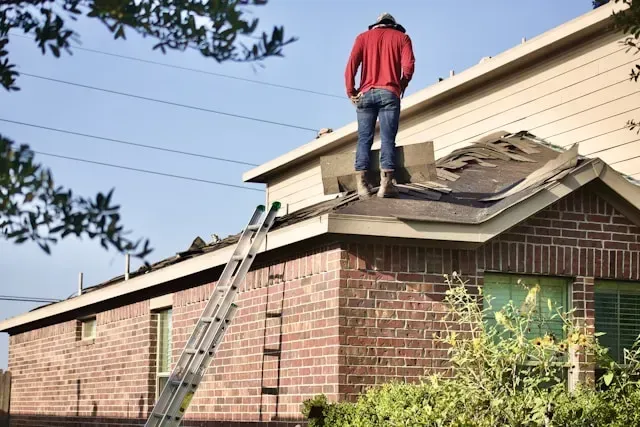
When severe weather strikes, such as fallen debris, heavy rain, wind, or hail, the roof is the first part of the house to bear the brunt. Roof damage due to storms can lead to expensive repairs and long-term problems when it is not addressed on time. Apart from that, navigating the insurance process claims might feel a bit overwhelming when you do not have the correct documents. That is where you need an effective roofing checklist for storm damage. Having a proper plan can help you detect all the signs of damage, document them, and then present a case to an insurance firm. This blog explains how to create a proper checklist to support insurance claims.
Safety Before Inspection
Once the storm passes, you might rush outside and start to look for damage. Although that is understandable, safety should come first. So, before you start the inspection, you should do the following:
- Wait until the weather has completely cleared.
- Avoid walking on a slippery or wet roof.
- Be mindful of downed power lines or loose debris.
- Use a sturdy ladder, and if it is possible, have someone assist you.
If the roof has sustained massive impacts, you should hire a trusted provider of
roof repair and restoration services North Charleston immediately instead of doing a dangerous inspection on your own. Professionals have the skills, equipment, and training to assess the damage properly and securely.
Check the Exterior Section of the Roof
One of the safest and best ways to check is by starting with the visible exterior section of the roof. These areas usually provide the clearest evidence of the storm impact:
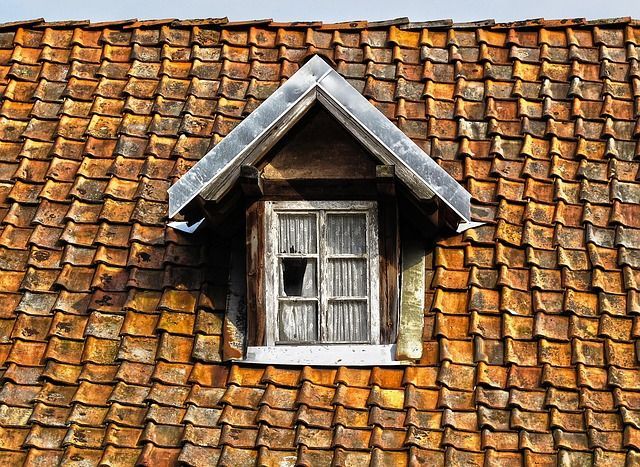
Tiles and Shingles
When checking the shingles and the titles, you should take a look at the following:
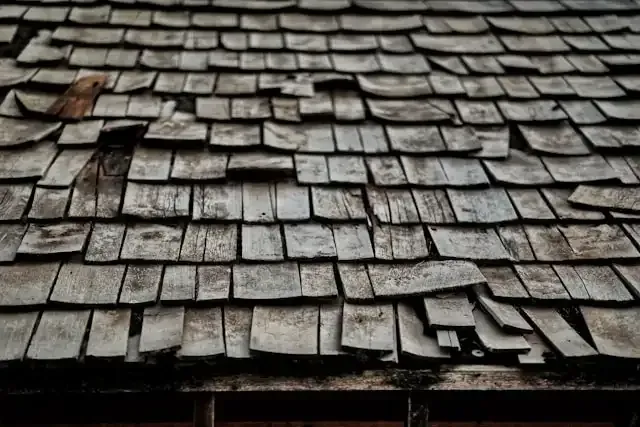
- Missing shingles
- Granule loss on the asphalt shingles
- Split or cracked shingles
- Blistering or curling shingles
High winds and hail can loosen the shingles or strip off the protective granules, which are some of the early signs of roof damage.
Seals and Flashing
Flashing is known as a metal strip located around the valleys, skylights, vents and chimneys that can keep the water out. After the storm, you should check for:
- Loose chimney caps
- Dislodged or bent flashing
- Gaps around seals
Damaged flashing can lead to interior leaks and even water infiltration.
Downspouts and Gutters
Storms do not just affect the roof’s surface. The gutters can collect plenty of debris or might be bent out of shape. So, due to such reasons, check for the following:
- Signs of water overflow
- Clogged/blocked gutters
- Bent or detached sections
Damaged or blocked gutters can hamper proper drainage and might worsen the roof issues greatly.
Outdoor Structures
When checking the exterior section of the roof, you must not forget to check all the roof-connected structures, such as:
- Fascia boards
- Awnings
- Soffits
Storm impact on all these areas can easily weaken the roof’s protective system and might lead to moisture-related issues.
Taking a Look at the Interiors
Damage isn’t always visible from the outside. Once you’ve checked the exterior, review your attic and interior ceilings:
- Water stains on ceilings or walls
- Damp insulation in the attic
- Sunlight shining through the roof boards
- Sagging drywall or ceiling areas
Documenting Damage for Insurance Claims
One of the most critical parts of the storm damage roofing checklist is thorough documentation. Insurance companies rely heavily on visual proof and clear descriptions to validate claims. You should follow these documentation tips:
Take Clear Photos and Videos
Capture damage from multiple angles, both close-up and wide shots. Make sure your images are bright, focused, and timestamped if possible. Include:
- Damaged shingles
- Interior water stains
- Debris on the ground
- Gutters and flashing issues
Good visual records make it harder for insurers to dispute your claim.
Keep Detailed Notes
A reliable
insurance claim roofing specialists North Charleston has said that homeowners should write down the following:
- When the storm occurred
- What damage did you observe?
- Approximate size or extent of affected areas
- Any temporary repairs you made
When to Call a Professional Roofing Contractor?
While homeowners can perform initial inspections, certain signs call for professional expertise. Contact a trusted roofing contractor if you notice:
- Large sections of missing shingles
- Multiple leaks
- Structural sagging
- Interior water damage extending over wide areas
A qualified
South Carolia roofing contractor can provide a detailed damage report that supports your claim and helps ensure no affected areas are overlooked.
Conclusion
Storm damage to the roof can be expensive and stressful. However, when you follow a proper checklist, it can help you act instantly, document properly, and create a good insurance claim. Quick action can surely set you up for the best results. Homeowners who need assistance for
storm damage roof repair South Carolina can speak with the experts of
5 Stars Roofing. The company offers professional inspections, insurance claim support, correct damage assessments and top-notch repair services. They have a team of experienced and qualified team members who understand the stress of post-storm recovery and would work closely during the claim process, offer clear guidance, and make the repairs with precision and care.