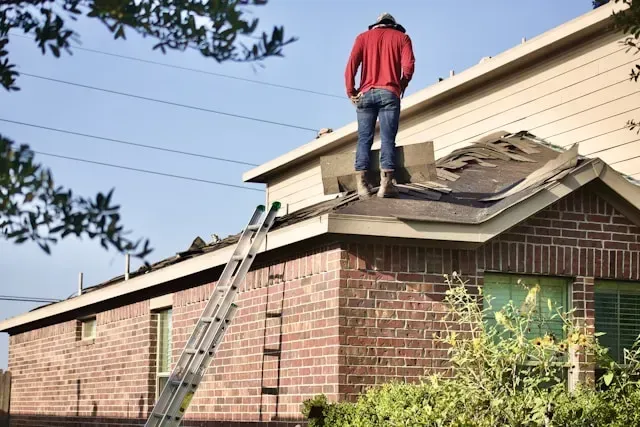
Storms don’t treat every roof the same. Wind, hail, heavy rain, and falling debris all leave different marks depending on what your roof is made of. Some materials show damage right away. Others hide problems until leaks or structural issues start showing up inside the home.
Understanding how storms affect various roofing types can help homeowners act faster and avoid bigger repair bills. A trusted
Roof and Damage Restoration Company
can spot problems early, but it also helps when homeowners know what to look for themselves.
Let's examine the common impacts of storm-damaged roofing materials and the typical warning signs following severe weather.
Storm Damage on Asphalt Shingle Roofs
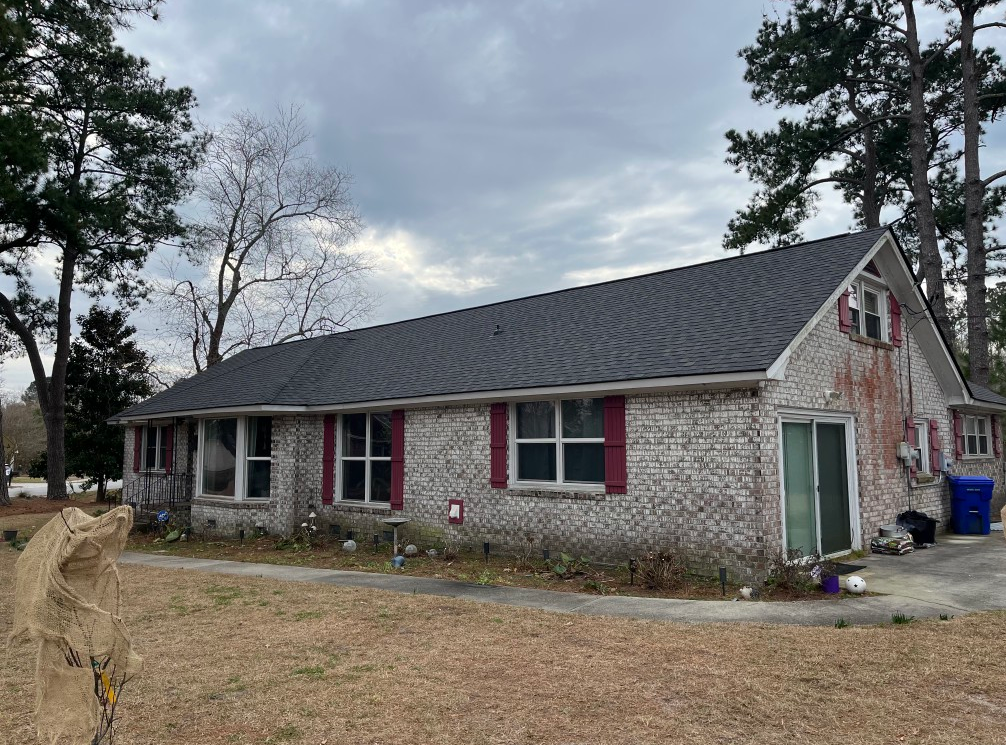
Asphalt shingles are the most common roofing material used on residential homes. While they are affordable and durable, storms can still cause significant damage. The wind causes shingles to either lift or curl or detach from roofs according to its strength. Hailstorms remove protective granules from shingles, which results in dark areas that show the underlying material.
Over time, exposed areas deteriorate much faster.
Even if you don’t see visible damage from the ground, hail can create small cracks when it strikes with enough force.
The following signs should be monitored for detection purposes:
- Bald spots on shingles
- Pieces of shingles in gutters
- yard Edges lifting
- Flapping in wind Leaks appearing days or weeks later.
Storm Damage on Metal Roofing
Metal roofs are known for their strength, but that doesn’t make them immune to storm damage.
Hail commonly leaves dents across metal panels. While some dents are only cosmetic, deeper impacts can weaken seams and fasteners. Over time, this can lead to water seepage.
High winds can also lift panels slightly or loosen screws, especially around edges and ridges. If seams shift even a little, water can start creeping in during heavy rain.
Common metal roof storm issues include:
• Visible dents across panels
• Loose fasteners
• Lifted edges
• Water spots inside attic or ceilings
Storm Damage on Tile Roofs (Clay or Concrete)
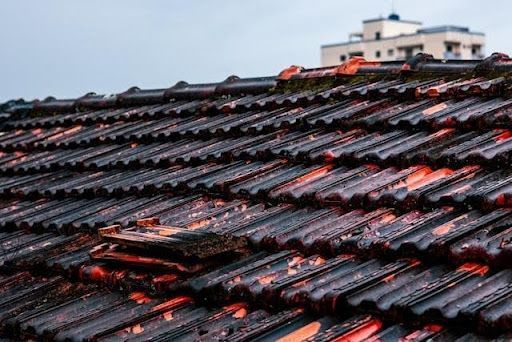
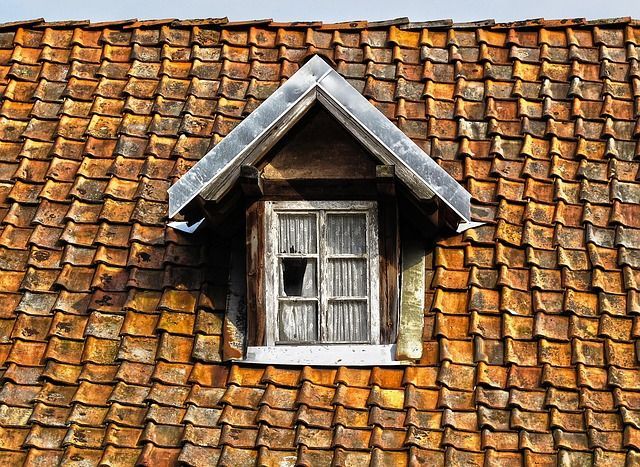
Tile roofs provide an attractive look while enduring over time, but stormy weather creates problems for their durability. Hail can crack or completely break tiles. Strong winds sometimes shift tiles out of position or knock them loose. Even a single broken tile can allow water to reach the underlayment beneath, which leads to leaks and wood rot. The tricky part is that broken tiles aren’t always simple to spot from the ground.
The following items need your attention:
• Cracked or missing tiles
• Pieces of tile around property
• Uneven rows of tiles
• Water stains inside the home
Storm Damage on Flat and Low-Slope Roofs
Flat roofs, often found on commercial buildings and some modern homes, face different storm challenges.
Heavy rain can lead to ponding water if drainage systems get blocked. Over time, standing water weakens roofing membranes and causes leaks.
Hail can puncture or blister the surface material. Wind-driven debris can also tear or scrape the membrane.
Typical storm-related flat roof issues include:
• Water pooling after rain
• Soft or bubbling spots
• Visible tears or holes
• Leaks spreading across ceilings
Why Storm Damage Isn’t Always Obvious
One of the biggest mistakes homeowners make is assuming their roof is fine just because there are no visible leaks.
Some damage develops slowly. A cracked shingle today may not leak until the next heavy rain. A loosened metal seam may hold for months before failing.
This is when an experienced
Roof and Damage Restoration Company becomes essential. professionals arise during essential disaster recovery work that follows major storms. Professionals can spot early issues that aren’t visible to the untrained eye.
When to Schedule a Roof Inspection After a Storm
It’s smart to have your roof checked if your area experienced:
• Hailstorms
• High winds
• Fallen branches or debris
• Heavy rainfall or flooding
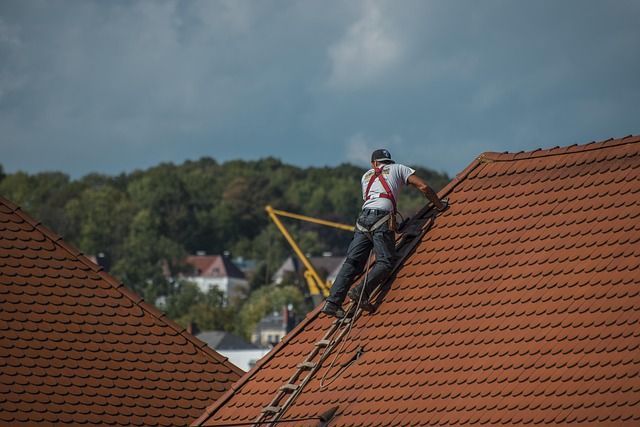
Even if everything looks okay from the ground, an inspection can catch hidden damage before it becomes expensive.
Protecting Your Roof From Future Storm Damage
While storms can’t be prevented, preparation helps limit damage:
• Keep gutters clear for proper drainage
• Trim trees near the roof
• Fix small issues quickly
• Schedule routine inspections
Roof materials last longer when minor problems don’t have time to grow.
Trust the Right Team After a Storm
Every roofing material responds differently to severe weather. Knowing the signs helps homeowners act faster and avoid major repairs.
For anyone unsure about storm damage, reaching out to professionals who specialize in inspection, repair, and restoration is always the safest move.
At 5 Stars Roofing, experienced technicians understand how storms affect all types of roofs and can recommend the right solution to protect your property long-term.